
The United States economy is currently experiencing a period of growth, with the International Monetary Fund (IMF) projecting a 2.4% increase in gross domestic product (GDP) for the fourth quarter of 2026. This marks an improvement from the 2.2% growth observed in the previous year. Additionally, the unemployment rate is expected to decline from 4.5% in late 2025 to 4.1% in 2026, indicating a strengthening labor market.
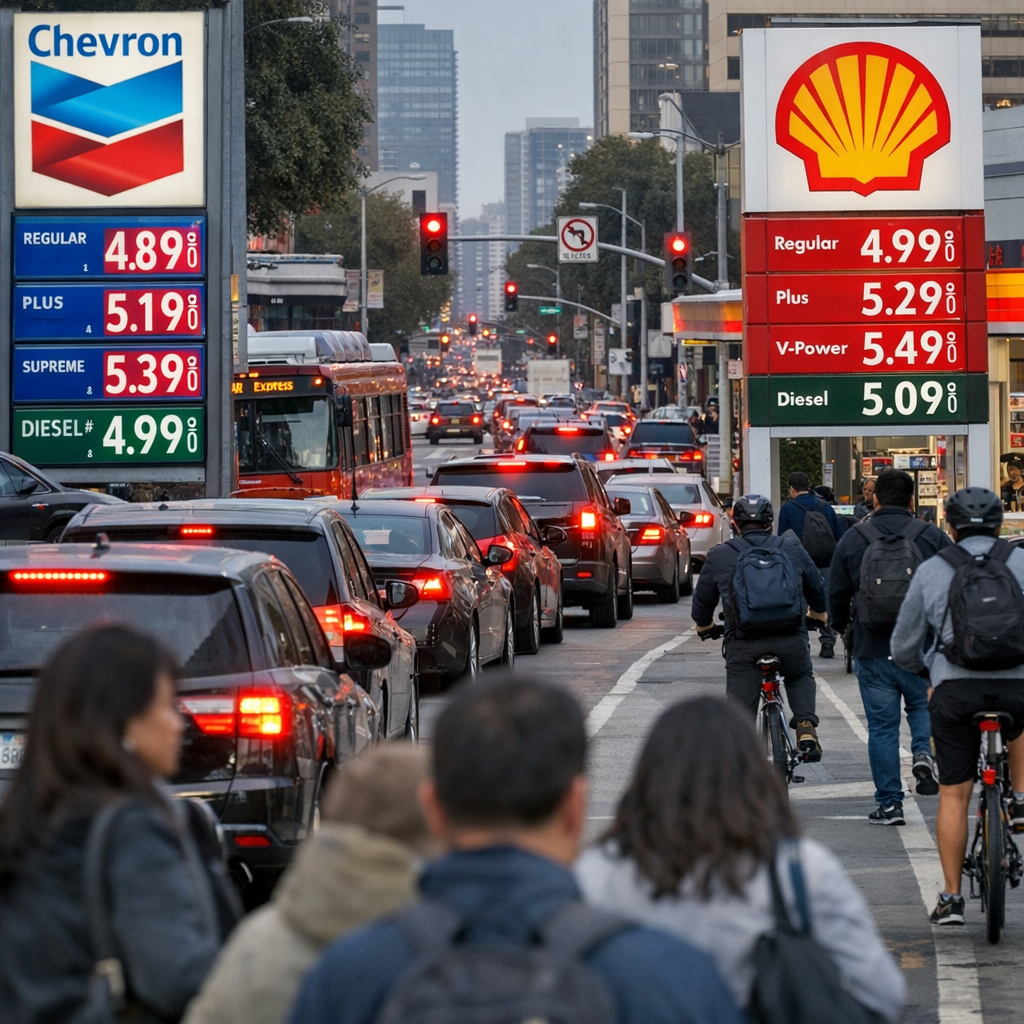
However, challenges persist. Inflation has risen to 3.8% as of April, the highest rate in three years. This uptick is largely attributed to increased energy costs following the military conflict with Iran, which led to the closure of the Strait of Hormuz and a subsequent surge in gas prices. Nationally, average gas prices have exceeded $4.50 per gallon, with some states reporting prices above $5.
These economic pressures have influenced public sentiment. A recent CBS News/YouGov poll revealed that 70% of Americans feel “angry” or “frustrated” about the current economic situation. Only 11% expressed enthusiasm, and 19% reported satisfaction. This growing economic anxiety is a significant factor as the nation approaches the 2026 midterm elections.
In summary, while the U.S. economy shows signs of growth and a declining unemployment rate, rising inflation and energy costs present ongoing challenges. Public dissatisfaction underscores the importance of addressing these economic issues in the near future.