

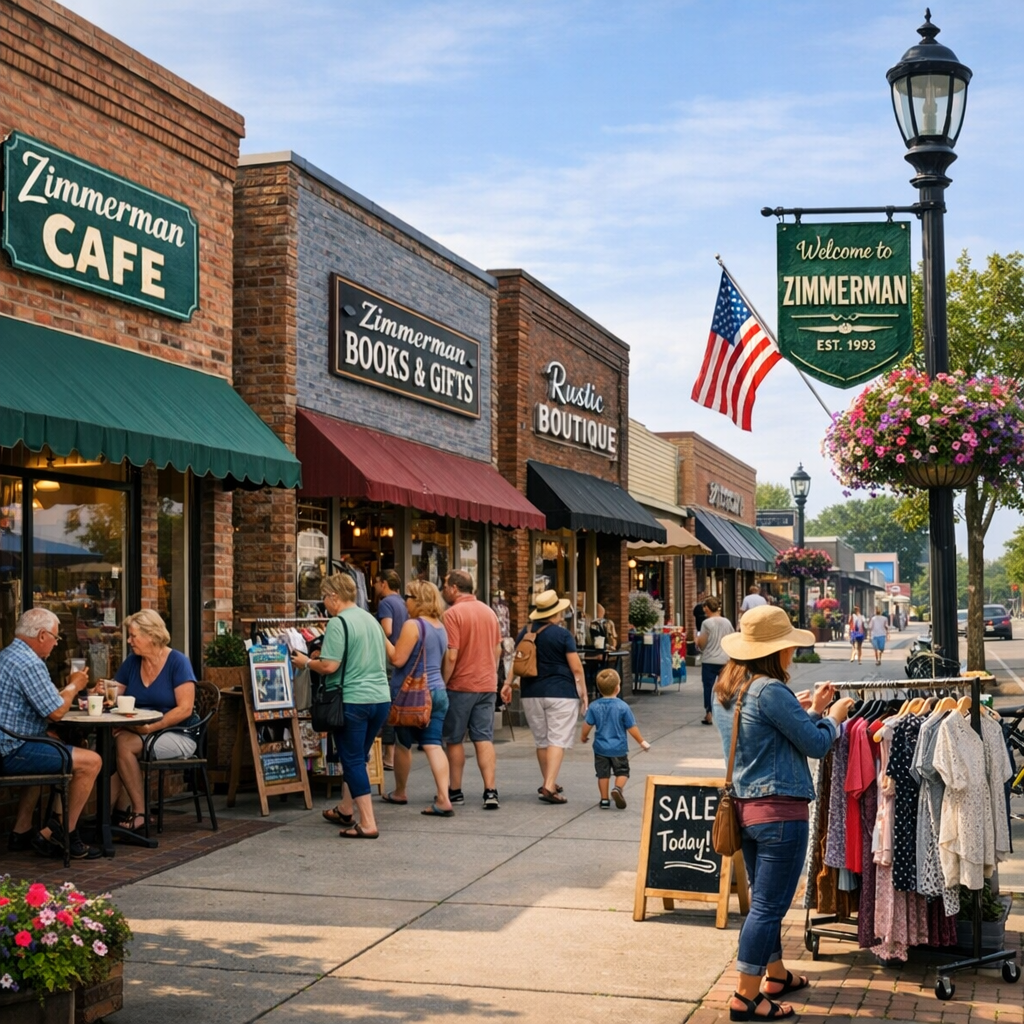
Zimmerman’s economy is marked by a blend of industries, community businesses, and evolving employment trends. From the everyday neighborhood shops to the larger manufacturing plants and healthcare facilities, local jobs and entrepreneurship are quietly but steadily shaping our town’s future.
Top Industries and Employment Trends
As of 2024, roughly 3,600 people employed in Zimmerman make their living across several key sectors. The manufacturing industry leads in workforce numbers, employing over 700 residents. Following closely are healthcare and social assistance, which provide work for around 585 people. Other services—excluding public administration—also play a strong role. Employment grew modestly year over year, by about 0.8%, showing slow but consistent expansion. Median earnings vary by industry, with public administration, wholesale trade, and utilities topping the list in terms of earnings. Women’s highest median wages come in construction and other professional fields.
Small Business: Foundation and Flourishing
Zimmerman supports a diverse array of small to mid-size businesses. There are over 1,400 registered entities spanning retail food stores, auto repair, personal services, hardware, salons, and more. Notable names include Z Market grocery, Hudson Hardware, multiple restaurants, animal hospitals, and garden/nursery centers. For many residents, these businesses provide essential goods and reliable income locally.
Job Availability and Key Roles
The local job market offers a wide mix of positions. Jobs accessible to many include retail, food service, automotive repair, and administrative work. Recent online listings show opportunities like store assistant managers, clinic office assistants, and entry-level roles in various service businesses. Wages for many of these roles are in the moderate range—often appealing for high school educated workers or those with some experience.
Challenges and Points to Watch
Despite strengths, Zimmerman faces a few challenges. Wage growth in many service and retail jobs remains modest at best. Workers in entry-level roles may find it tough to advance without access to training, certifications, or pathways into higher-earning sectors. Also, as the number of job vacancies in larger metro and state-wide regions varies, there’s pressure to ensure opportunities remain locally available for Zimmerman residents without forcing long commutes.
Pathways for Future Growth
To build on what’s already solid here, several strategies hold promise for Zimmerman:
- Support workforce development: Partnerships with community colleges or vocational schools to offer training in healthcare, manufacturing, and technical trades could unlock better-paying careers.
- Encourage small business incubation: Local programs, mentorship, or shared-workspace hubs would help entrepreneurs start businesses with lower risk.
- Retain and attract employers: Economic incentives, tax increment financing, and retention support can make Zimmerman more competitive for both new businesses and to prevent existing ones from moving away.
- Balance housing costs with wages: As rent and home costs rise, ensuring that local wages keep pace will be essential to maintain affordability.
In sum, Zimmerman’s business economy is stable, anchored by manufacturing, health care, and a bustling small business sector. With focused efforts around skills training, entrepreneurial support, and wage growth, there’s strong potential for continued economic health and opportunity for many residents.