

As residents of Zimmerman, Minnesota, and communities nationwide navigate daily life, the broader economic landscape presents challenges that resonate locally. Recent developments have brought economic concerns to the forefront, affecting households and businesses alike.
Inflation and Rising Costs
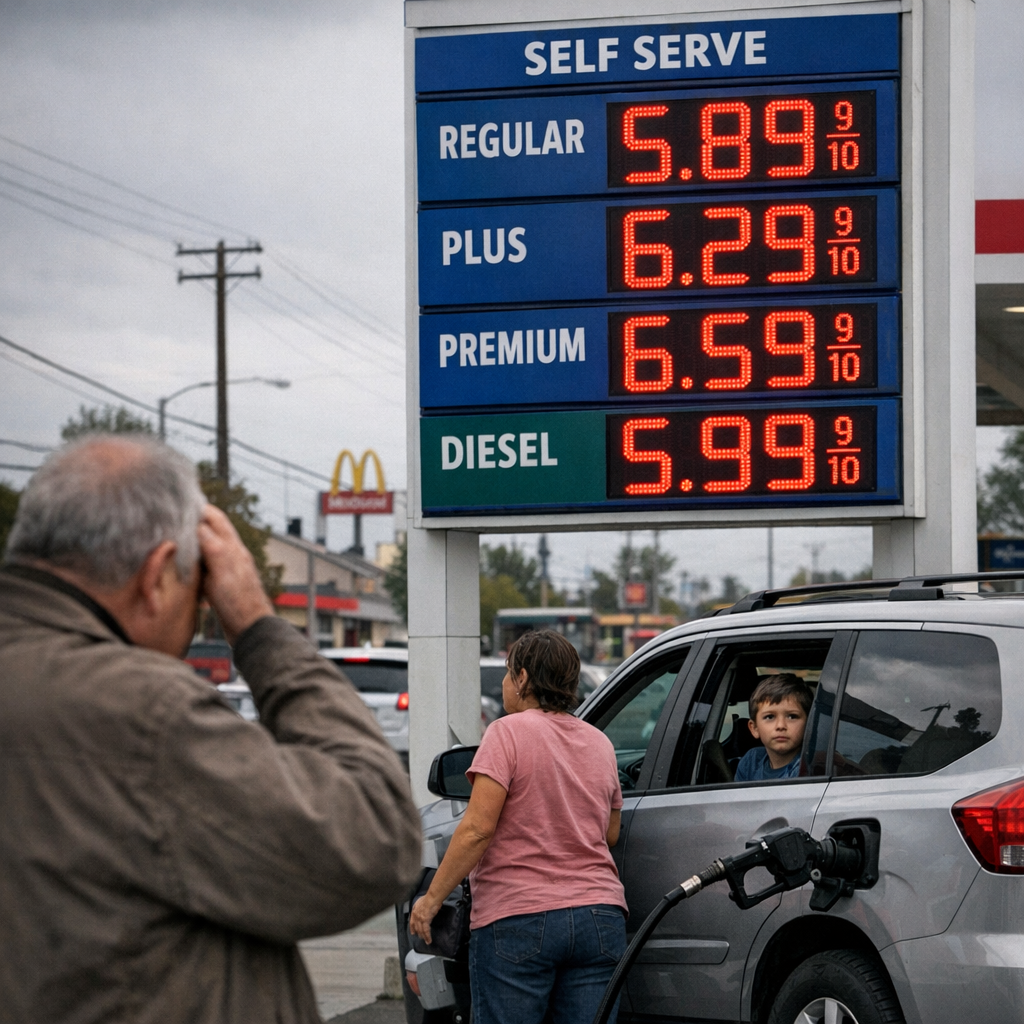
Inflation has surged to 3.8% in April, marking its highest level in three years. This uptick is largely attributed to escalating energy costs following the military conflict with Iran, which began in February. The closure of the Strait of Hormuz has disrupted oil supplies, leading to a significant increase in gas prices. Nationally, average gas prices have exceeded $4.50 per gallon, with some states reporting prices above $5. This surge in fuel costs has a cascading effect, increasing expenses for transportation, goods, and services.
Public Sentiment and Economic Policies
A recent CBS News/YouGov poll indicates deep public dissatisfaction with current economic policies. The survey reveals that 70% of Americans feel “angry” or “frustrated” about the handling of the economy, with only 11% expressing enthusiasm. Economic anxiety has grown since the onset of the conflict with Iran, leading to declining confidence in current policies. Notably, 65% of respondents believe that recent actions are worsening the economy in the short term, and 50% anticipate long-term harm. Additionally, 77% report that their incomes aren’t keeping pace with rising prices.
Local Impact and Community Resilience
In Zimmerman, these national trends manifest in tangible ways. Residents face higher costs at the pump, increased prices for goods, and potential impacts on local businesses. The community’s resilience is evident as neighbors support one another, local businesses adapt to changing economic conditions, and initiatives emerge to mitigate the effects of inflation.
Looking Ahead
As the nation grapples with these economic challenges, it’s crucial for communities like Zimmerman to stay informed and engaged. Understanding the broader economic context helps residents make informed decisions, advocate for supportive policies, and foster a sense of unity in navigating uncertain times.