

The U.S. economy is currently experiencing a complex mix of indicators, reflecting both resilience and challenges. Understanding these trends is crucial for communities like Zimmerman, Minnesota, as national economic shifts often have local repercussions.
Inflation and Cost of Living
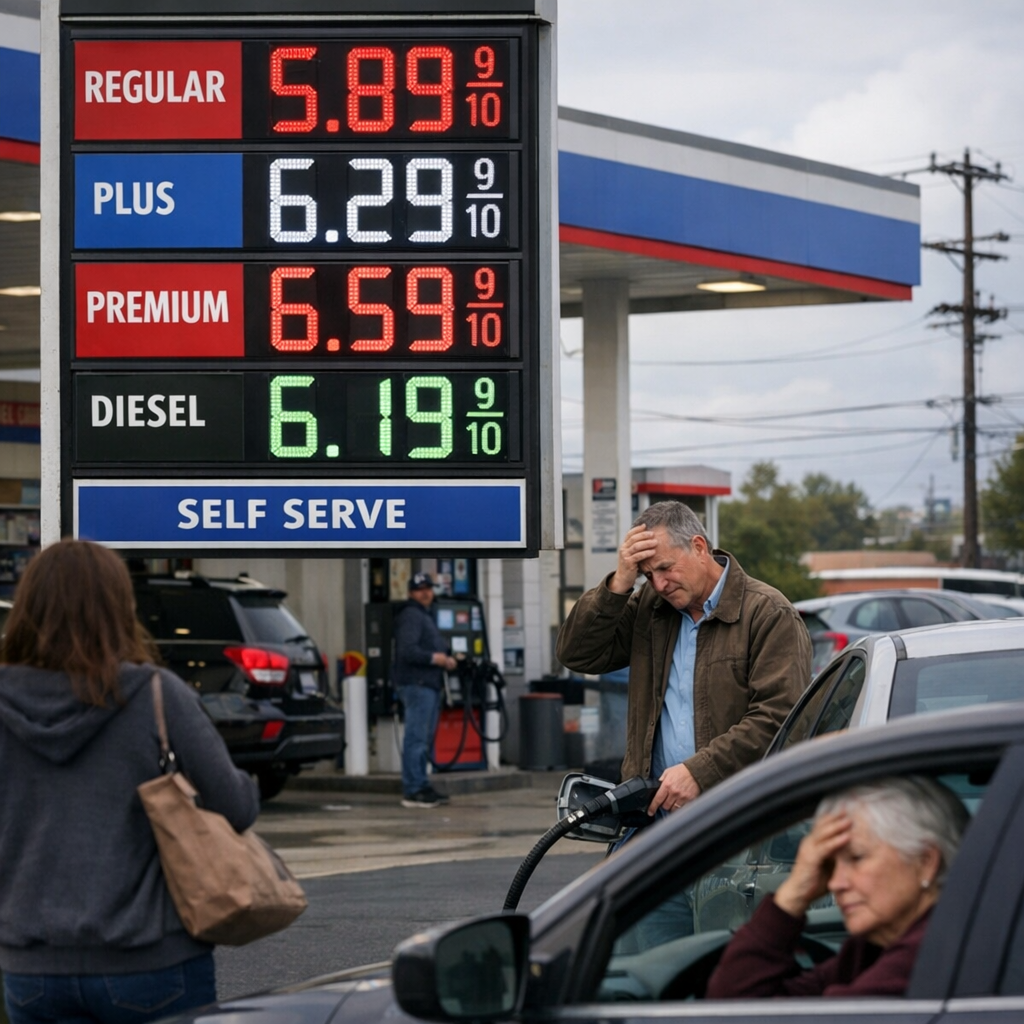
Inflation remains a pressing concern. Recent data indicates that inflation rose to 3.8% in April, marking its highest level in nearly three years. This uptick is largely attributed to increased energy costs, particularly gasoline prices, which have surged due to geopolitical tensions affecting oil supply routes. As a result, many Americans are feeling the pinch at the pump, with gas prices averaging over $4.50 nationally and exceeding $5 in several states.
Employment Trends
The labor market presents a mixed picture. While the unemployment rate hovers around 4.4%, there has been a steady increase in long-term unemployment. Employers are in a “no hiring, no firing” mode, making it challenging for job seekers to find new opportunities, though current employees are likely to retain their positions. This stagnation raises concerns about future economic growth and stability.
Tariffs and Trade Policies
Trade policies continue to influence the economic landscape. The administration’s proposed tariffs, set to take effect in July 2026, have been a point of contention. Previous attempts to implement sweeping tariffs were struck down by the Supreme Court, adding uncertainty to international trade relations and domestic markets.
Local Implications
For residents of Zimmerman, these national trends can have tangible effects. Rising fuel prices may increase transportation costs, impacting daily commutes and the delivery of goods and services. Employment uncertainties could affect local businesses and job availability. Staying informed and adaptable is essential as the economic landscape evolves.
In conclusion, while the U.S. economy shows signs of resilience, challenges like inflation, employment stagnation, and trade policy uncertainties require careful monitoring. Communities should remain vigilant and proactive in navigating these complex economic times.